Calculating the Full Cost of Fleet Charging Infrastructure
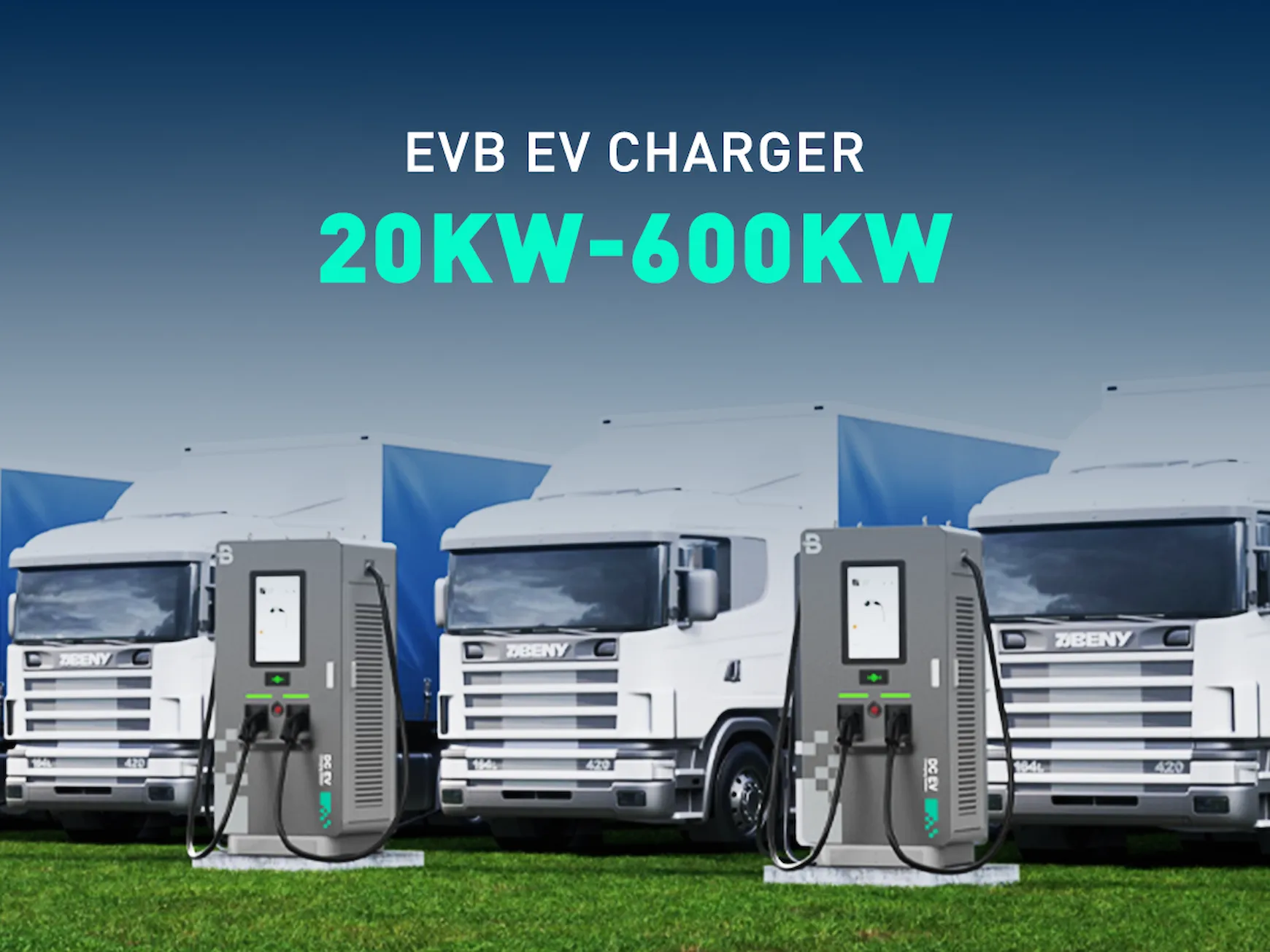
A fleet charging budget should cover the cost of supplying vehicles with energy throughout the operating year, not just the purchase price of charging equipment. Electrical work, software, energy tariffs and service arrangements can change the economics substantially. A cheaper charger can produce a more expensive depot if it requires unsuitable installation work or creates an operational bottleneck.
The useful comparison is between complete, clearly scoped project options that meet the same vehicle schedule. Without that common requirement, quotations can look comparable while offering different levels of capacity, support or integration.
Put every quotation on the same boundary
Define the number of vehicles, required daily energy and charging window before requesting prices. State whether the supplier is quoting hardware only, equipment with commissioning, or a broader installation package. Assign responsibility for utility works, permits, civil construction and electrical installation.
Ask for a line-item schedule that identifies included equipment and excluded work. Networking hardware, a site meter, mounting structures and cable-management equipment may be necessary even when they are not visible in the main charger price.
The EVB fleet charging solution can serve as a starting point for an equipment and integration enquiry. The enquiry should attach the depot's operating brief so the resulting quotation addresses the same duty as other bids, rather than comparing catalogue prices alone.
Separate initial costs from ongoing costs
Initial costs can include chargers, electrical distribution equipment, installation, trenching, protective barriers, design work and commissioning. Existing infrastructure may be reusable, but a site assessment must establish whether its condition and capacity are suitable.
Ongoing costs can include electricity, software subscriptions, communications, maintenance, inspections, repair labour and replacement components. Identify whether software is priced per charging point, per connector or by another measure. A recurring charge that looks small for a pilot can become material when the depot expands.
Include the cost of operating staff where the arrangement requires moving vehicles between chargers. If one fast-charging bay depends on several nightly vehicle changes, the labour and reliability implications belong in the comparison.
Read the actual electricity tariff
Energy charges are usually expressed per kWh. Some commercial tariffs also charge for demand, measured or calculated according to the tariff's rules. The relevant billing interval, seasonal variation, minimums and any demand ratchet must be checked with the utility.
A charger rating does not reveal the resulting electricity bill. The simultaneous charging schedule and other facility loads influence demand at the meter. Charging in a cheaper energy period may reduce one part of the bill while still creating a high demand charge.
For an illustrative calculation, assume a depot adds 600 kWh to vehicle batteries each working day. At an assumed 90 percent meter-to-battery efficiency, it buys about 667 kWh for those charging sessions. At an assumed energy-only price of 0.15 currency units per kWh, that portion of the daily cost is about 100 currency units. This excludes standby energy, demand charges, fixed charges, taxes and other fees.
The example shows why the cost model needs a defined measurement boundary. It is not a forecast for a particular country or a quoted EVB energy cost.
Cost the consequences of charger downtime
Repair cost and lost operating time are different expenses. A failed charging point may be inexpensive to repair but cause a missed route before a technician arrives. Conversely, spare capacity may protect operations even when a component takes time to replace.
Compare service coverage, response times, parts availability and the depot's recovery process. Check which costs are covered by warranty and which remain with the fleet. A parts warranty does not automatically include site visits, cable replacement, software support or transport.
The comparison should also identify who investigates a fault involving several suppliers. Repeatedly passing an incident between the charger manufacturer, software provider and installer can add delay that is absent from the original quotation.
Compare lifetime scenarios rather than one payback number
Evaluate an initial fleet, a realistic expansion case and a lower-utilization case. Use the organization's approved assessment period and account for financing, equipment life and any expected replacements. Treat incentives as conditional until eligibility and availability are confirmed.
Avoid promising a universal saving against public charging or diesel operations. The result depends on tariffs, route patterns, vehicle efficiency, utilization and capital costs. Sensitivity checks should show which assumptions change the purchasing decision.
A useful final comparison states the total installed scope, annual operating assumptions and operational capability of each option. Finance can then see what the business is purchasing and which costs could change after the first vehicles arrive.